
Digital Twins for Architecture, Industry and Asset Management
Digital twins are high-precision virtual replicas that combine geometry, BIM data and connected systems to provide a complete and dynamic view of any building, facility or infrastructure. Unlike a traditional BIM model, a digital twin integrates operational, documentary and sensor information, making it possible to understand the real behavior of the asset and anticipate its needs. This technology lowers the barrier for non-technical users, as it makes it easier to search for assets, consult information, visualize systems and create custom views.
Capacidades
What is a digital twin and what is it used for?
A digital twin is an accurate virtual replica of a building, facility or infrastructure that combines geometry, technical information and operational data. It is built from BIM models, As-Built documentation and, when necessary, IoT sensors that monitor the real behavior of the asset. Its main function is to centralize all relevant building information in an accessible, intuitive and up-to-date environment. Unlike a static BIM model, the digital twin allows assets to be consulted, systems to be visualized, consumption to be analyzed, scenarios to be simulated and maintenance needs to be anticipated.
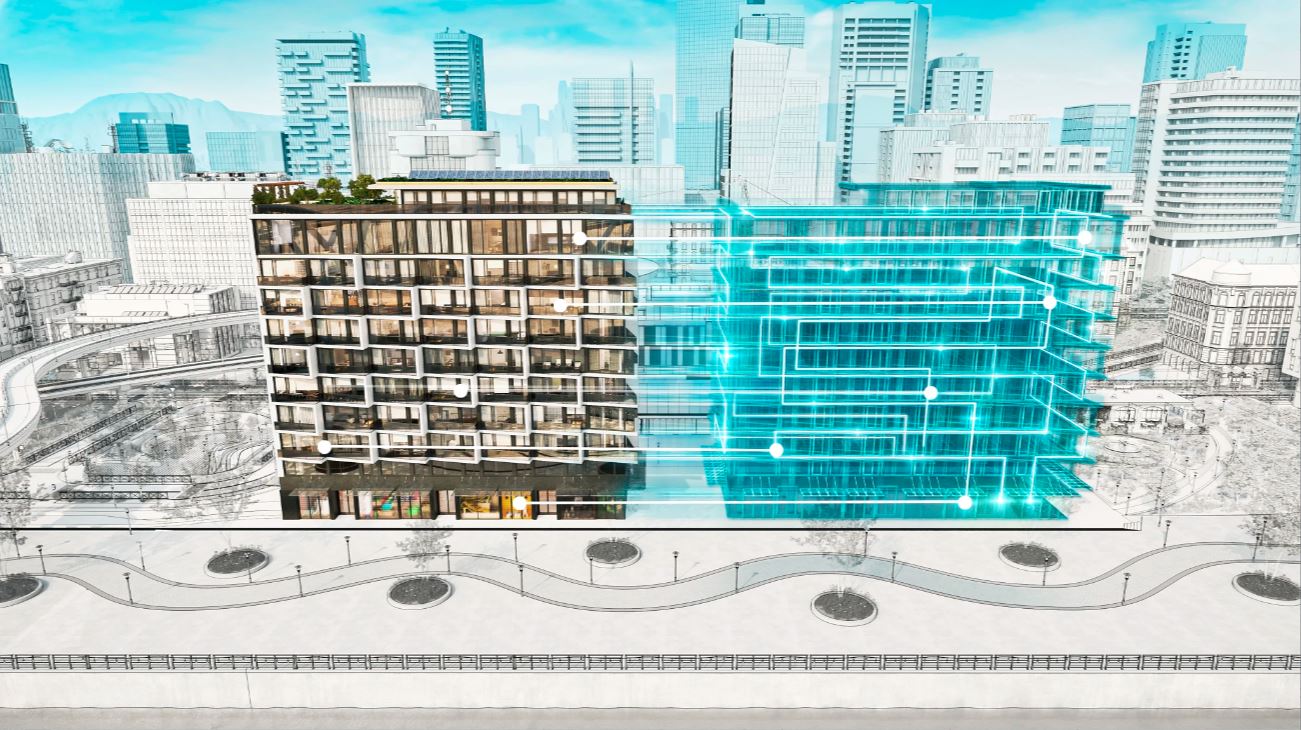
Digital Twins for Architecture
We work with architecture studios to create digital models that integrate geometry, documentation and operational building data. These twins make it possible to visualize the real condition, plan interventions, control construction and manage the asset life cycle. They are especially useful in renovations, complex buildings and projects where accurate, centralized information is required.
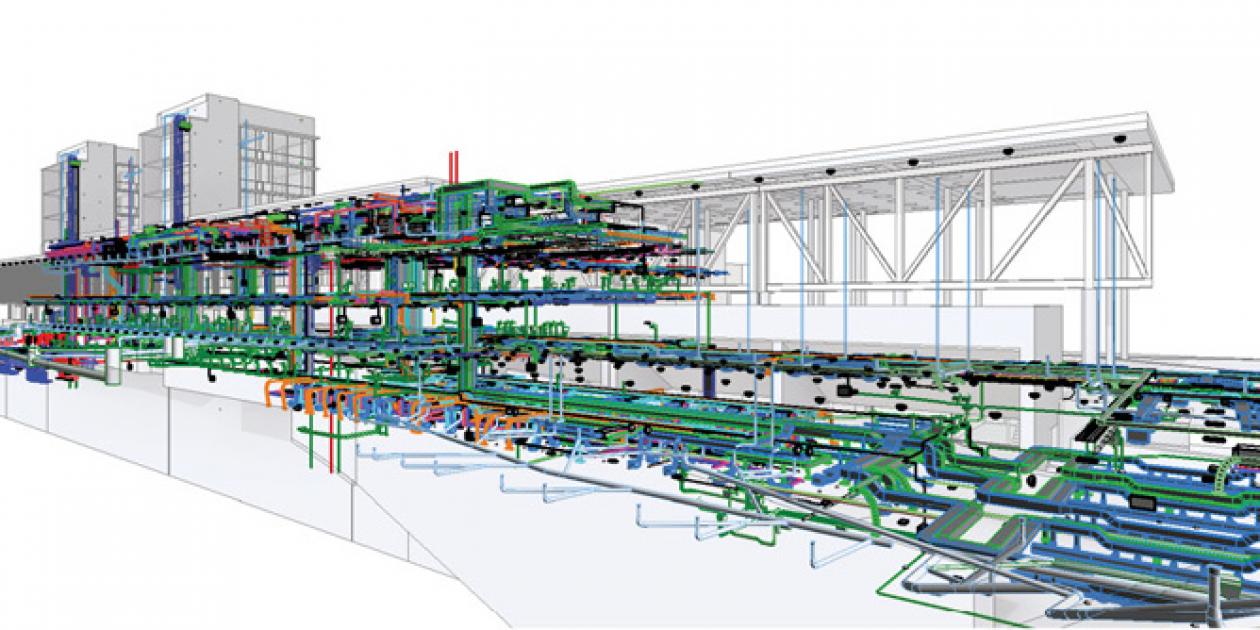
BIM and IoT Data Integration
Digital twins combine the precision of BIM modeling with the ability of IoT sensors to capture real-time data. This integration makes it possible to monitor parameters such as CO₂, humidity, temperature, vibrations or presence, providing a complete view of the building’s behavior. The result is a dynamic tool that supports more efficient, safer and more informed management.
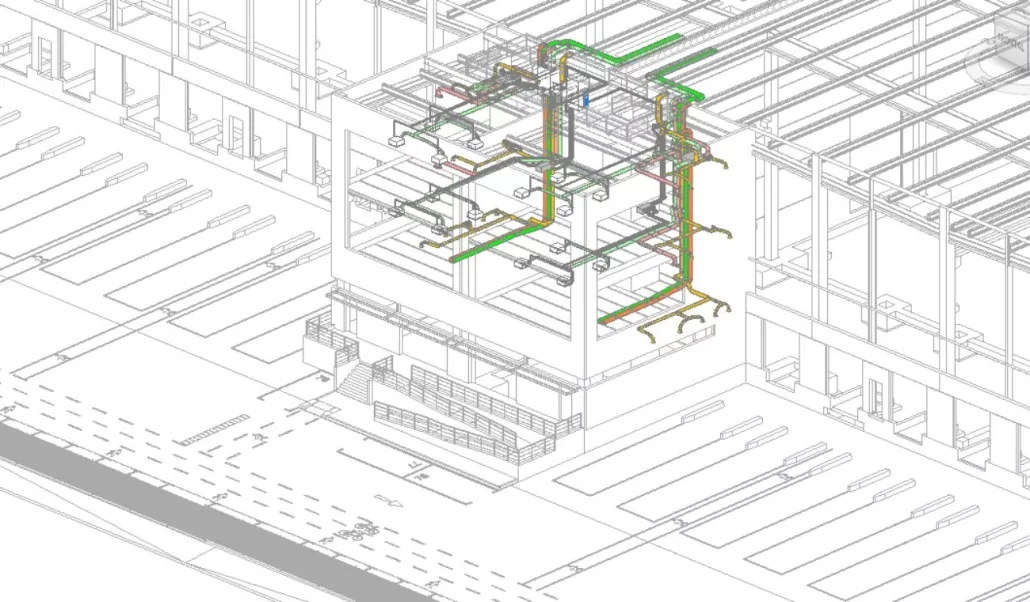
As-Built Documentation for Digital Twins
As-Built drawings document how a building is actually constructed, including variations, deviations and modifications that do not appear in the original drawings. Based on 3D scanning, we produce detailed and verified As-Built drawings or models, ideal for renovations, legalizations, certifications, maintenance or asset management. This process eliminates uncertainty and provides a solid documentary base for any future intervention.
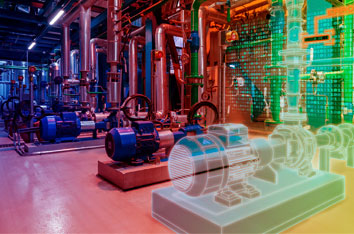
Digital Twins for Industry
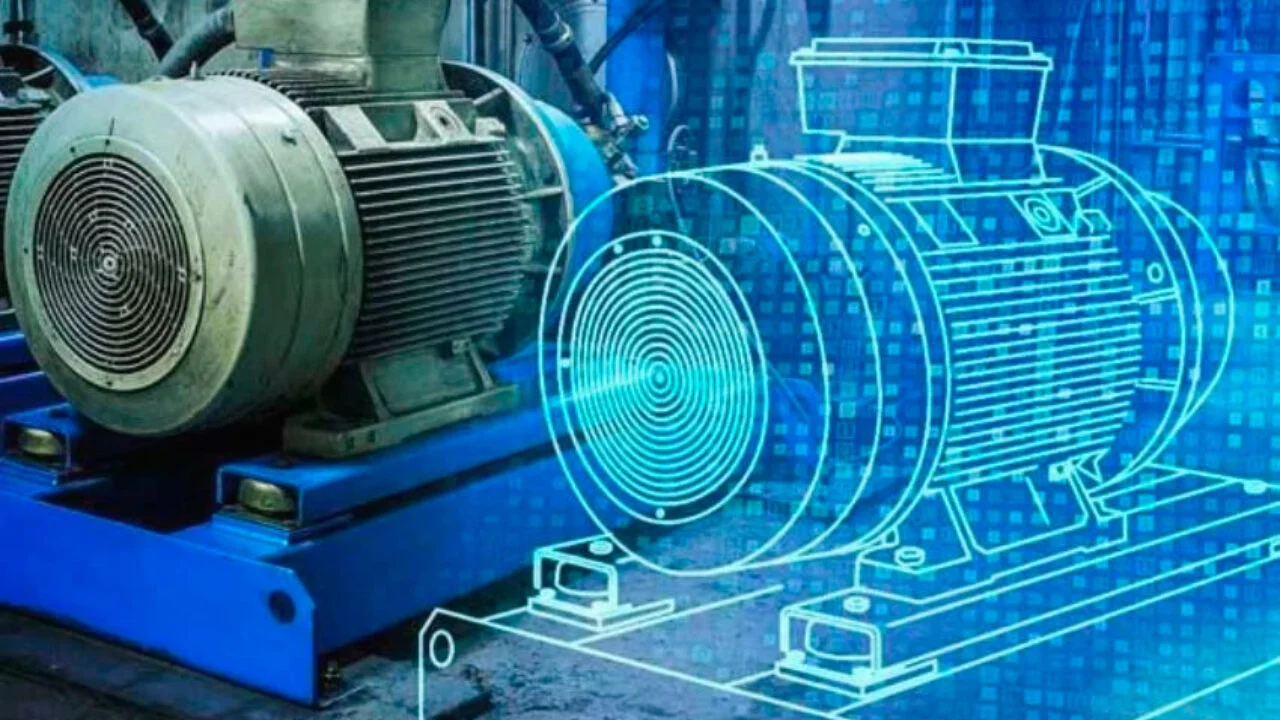
In industrial environments, digital twins allow machinery, production lines, energy systems and critical processes to be monitored in real time. They facilitate predictive maintenance, early fault detection and operational optimization. Our work includes geometric capture, BIM modeling, documentation integration and the connection of technical systems to provide a reliable management tool.
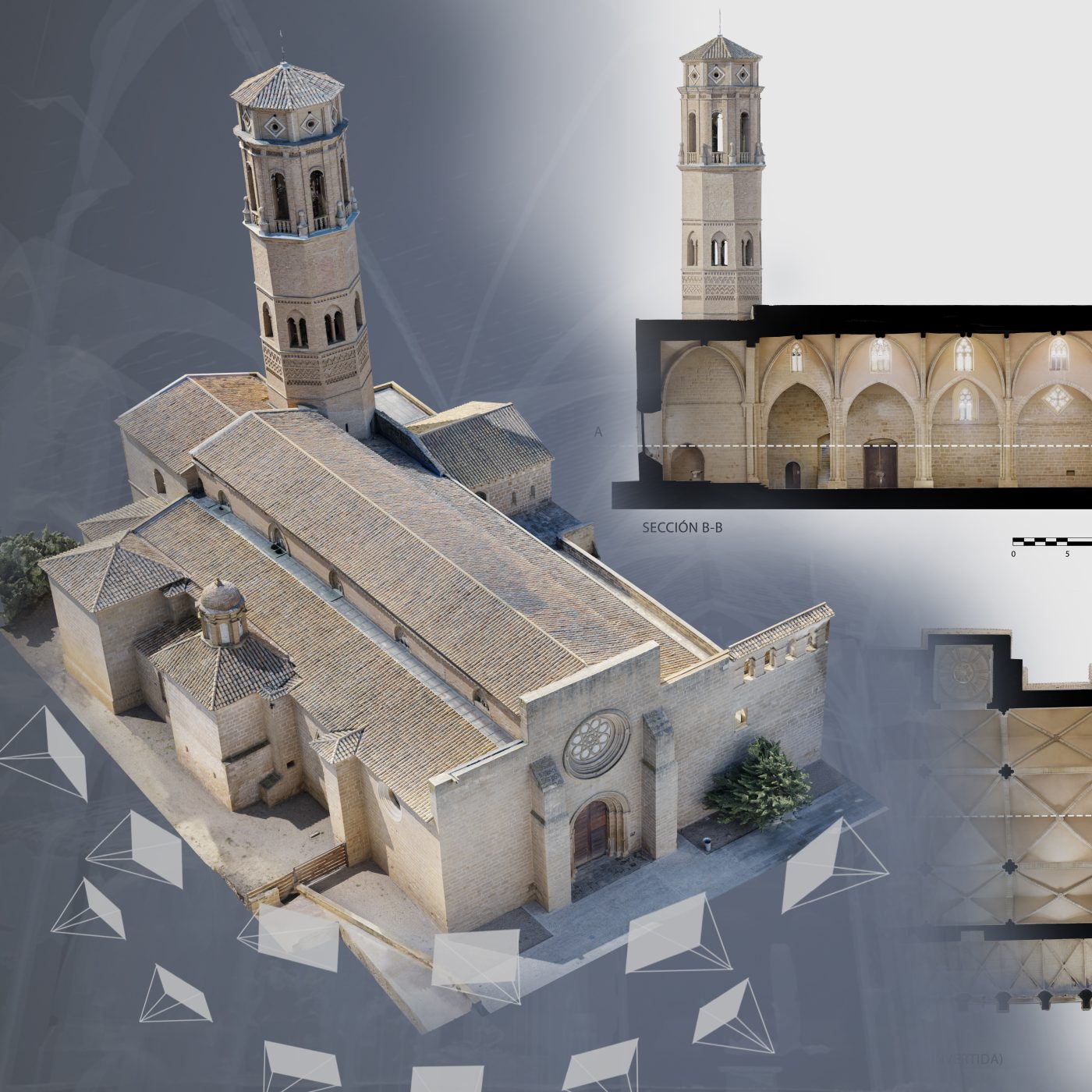
Digital Twins for Heritage
In heritage, digital twins make it possible to accurately document the current state of a building and monitor its evolution without physically intervening in the asset. In addition to recording complex geometries and historical elements, the digital twin can detect cracks, fissures or deformations and measure their variations over time. This allows maintenance needs to be anticipated, interventions to be planned before damage progresses and emergency actions to be avoided.
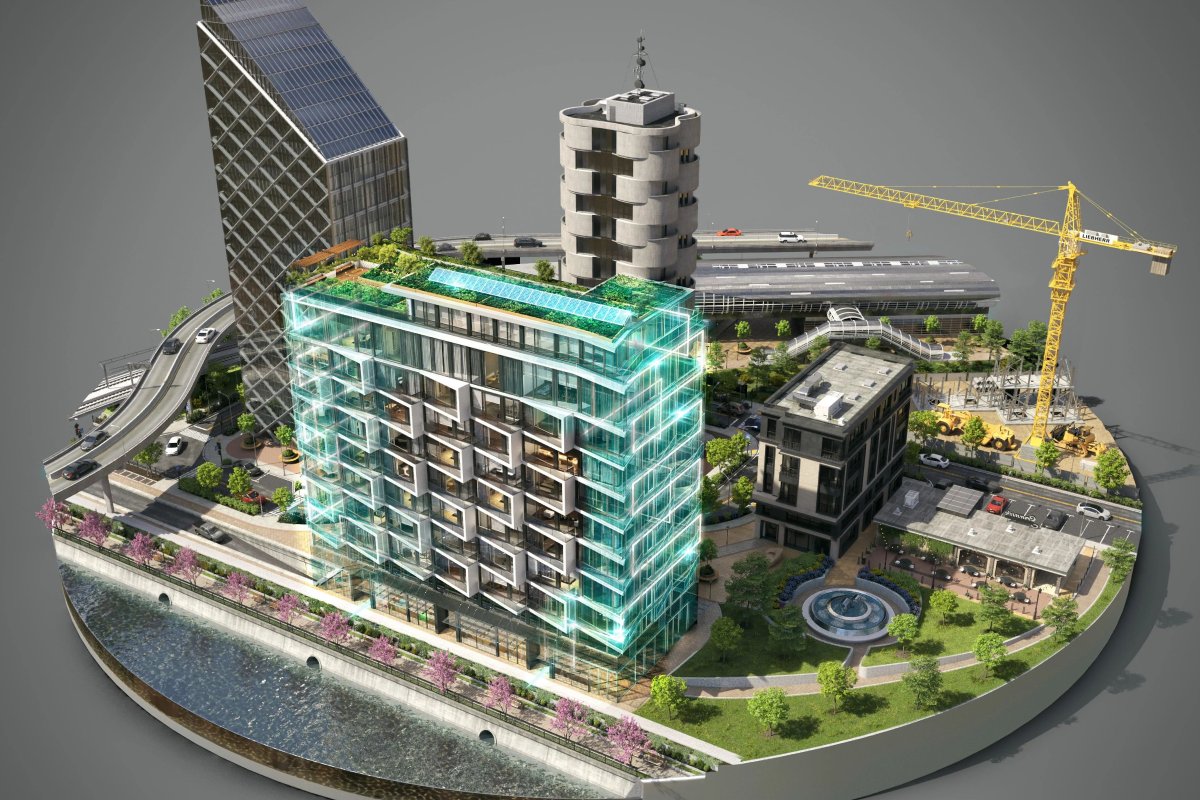
3D Modeling for Digital Twins
3D modeling is the foundation of the digital twin. From point clouds and technical documentation, we generate BIM or geometric models that accurately represent the physical asset. These models are structured to allow data integration, intuitive navigation and continuous updating, becoming the digital base for operation and maintenance.
Levels of Digital Twin Sophistication
Descriptive: a virtual replica based on real data. Informative: a connection between the model and the physical asset through data or sensors. Predictive: anticipates needs and enables predictive maintenance. Integrated: simulates scenarios and optimizes decisions through advanced analysis. Autonomous: makes decisions or triggers actions based on predefined rules.
Frequently Asked Questions
Digital Twins
What technologies are used to create a digital twin?
Digital twins combine 3D scanning, BIM modeling, IoT sensors, management systems and visualization platforms. Scanning provides precise geometry; BIM organizes technical information; sensors provide real-time data; and platforms make it possible to visualize, analyze and manage the asset. This integration turns the model into a dynamic and up-to-date tool.
What is the difference between a BIM model and a digital twin?
A BIM model represents the geometry and technical information of the building, while a digital twin adds real-time data, behavior, history and analytical capacity. BIM is static; the digital twin is dynamic and evolves with the asset.
For what type of projects is a digital twin recommended?
It is ideal for complex buildings, offices, industrial facilities, heritage, infrastructure, logistics centers and any asset that requires monitoring, maintenance or operational management. It is also very useful in refurbishments and in projects where a global view of the life cycle is needed.
How is a digital twin updated?
The digital twin is updated through sensors, management systems and periodic model reviews. It can be integrated with BMS, energy systems, maintenance or security systems to keep information always up to date.
Is a digital twin useful for heritage?
Yes. Digital twins are especially useful in heritage because they allow the current state of a building to be documented accurately and its evolution to be monitored over time without physical intervention. In addition to recording complex geometries and historical elements, the digital twin can detect cracks, fissures or deformations and measure their variations over time.
What advantages does a digital twin have in hotels?
Digital twins allow hotels to be managed more efficiently, optimize energy consumption and anticipate maintenance needs. They enable virtual tours for guests, room selection according to views or location and dynamic pricing based on real attributes. For management, they centralize documentation, assets and systems in a single environment.
What advantages does a digital twin have in educational buildings?
Digital twins improve safety, maintenance and planning in educational centers. They allow facilities to be monitored, faults to be detected and interventions to be anticipated before they affect building operation. Integrated with security systems, they can analyze data from cameras and sensors to identify abnormal behavior or risk areas. They also facilitate evacuation simulations and emergency scenarios.
What advantages does a digital twin provide in industry?
In industrial environments, digital twins allow machinery, production lines and critical systems to be monitored in real time. They facilitate predictive maintenance through analysis of vibrations, temperature or energy consumption, reducing unplanned downtime. They also help plan extensions, verify clashes and optimize processes through simulations.
What advantages does a digital twin have in offices and corporate buildings?
Digital twins allow spaces to be managed intelligently, optimizing occupancy, comfort and energy efficiency. Through sensors, it is possible to analyze usage patterns, adjust climate control and improve air quality. They also facilitate asset management, preventive maintenance and the planning of workplace improvements.
What advantages does a digital twin have in healthcare buildings?
Digital twins provide enormous value in hospitals and healthcare centers, where operational continuity and safety are essential. They allow critical facilities—HVAC, medical gases, operating rooms and technical rooms—to be monitored and failures to be anticipated through predictive maintenance. They also improve energy management, space planning and access to technical documentation.
How much can be saved by using a digital twin?
The savings generated by a digital twin depend on the type of building and the level of integration, but industry studies show reductions of between 15% and 30% in energy consumption when IoT sensors, real-time analysis and optimization of climate control and lighting are combined. In maintenance, savings also come from anticipating failures, reducing downtime and extending the useful life of assets.
How much does it cost to implement a digital twin?
The cost of implementing a digital twin depends on the type of building, its complexity, the level of detail required and integration with sensors or management systems. In general, the process includes 3D scanning, BIM modeling, asset structuring and, if desired, connection to IoT sensors. Simpler projects may require a moderate investment, while complex buildings or industrial facilities need broader development. Even so, the return is usually fast: reduced consumption, predictive maintenance and centralized information offset the initial investment and generate sustained savings throughout the building’s life cycle.
What types of sensors can be connected to a digital twin?
A digital twin can be integrated with a wide variety of IoT sensors depending on the needs of the building or facility. The most common are temperature, humidity, CO₂, air quality, presence and occupancy sensors, which optimize climate control and comfort. In technical environments, vibration, pressure, flow or energy consumption sensors are used for predictive maintenance. People-flow sensors can also be connected, widely used in airports, stadiums and large facilities to analyze flows, avoid congestion and optimize access or evacuations. In heritage, micro-crack or deformation sensors can be added to monitor the condition of the building. All this data is visualized in real time within the digital twin, enabling faster and more proactive decisions.
If I am a private client, do you handle the entire digital twin management process?
Yes. We can handle the entire project management process, whether you are a private client, a company or a studio. We take care of 3D scanning, BIM modeling and digital twin creation. If the project requires IoT sensors, we coordinate directly with specialized companies for their supply, installation and configuration. You will not have to look for external providers or manage technical procedures yourself. We centralize the entire process so you receive a fully operational digital twin, without complications and with a single point of contact.